Engineering
Formula One 2026 Regulation Changes: Active Aero, Power Units & Lightweight Chassis
Introduction
Formula One has always been a blend of speed, engineering, and constant innovation. That’s why it’s called Pinnacle of Motorsport. Every few years, the Fédération Internationale de l’Automobile (FIA) introduces new technical regulations to keep the sport competitive, sustainable, and relevant to modern technology. The 2026 regulations, announced in 2024 and set to take effect in March 2026, mark one of the biggest technical overhauls in recent years. These changes focus on three major areas: active aerodynamics, hybrid power unit evolution, and lightweight chassis design. Together, they aim to make F1 cars faster, more efficient, and environmentally friendly without losing the excitement that defines the sport.
Active Aerodynamics – Smarter Airflow Management
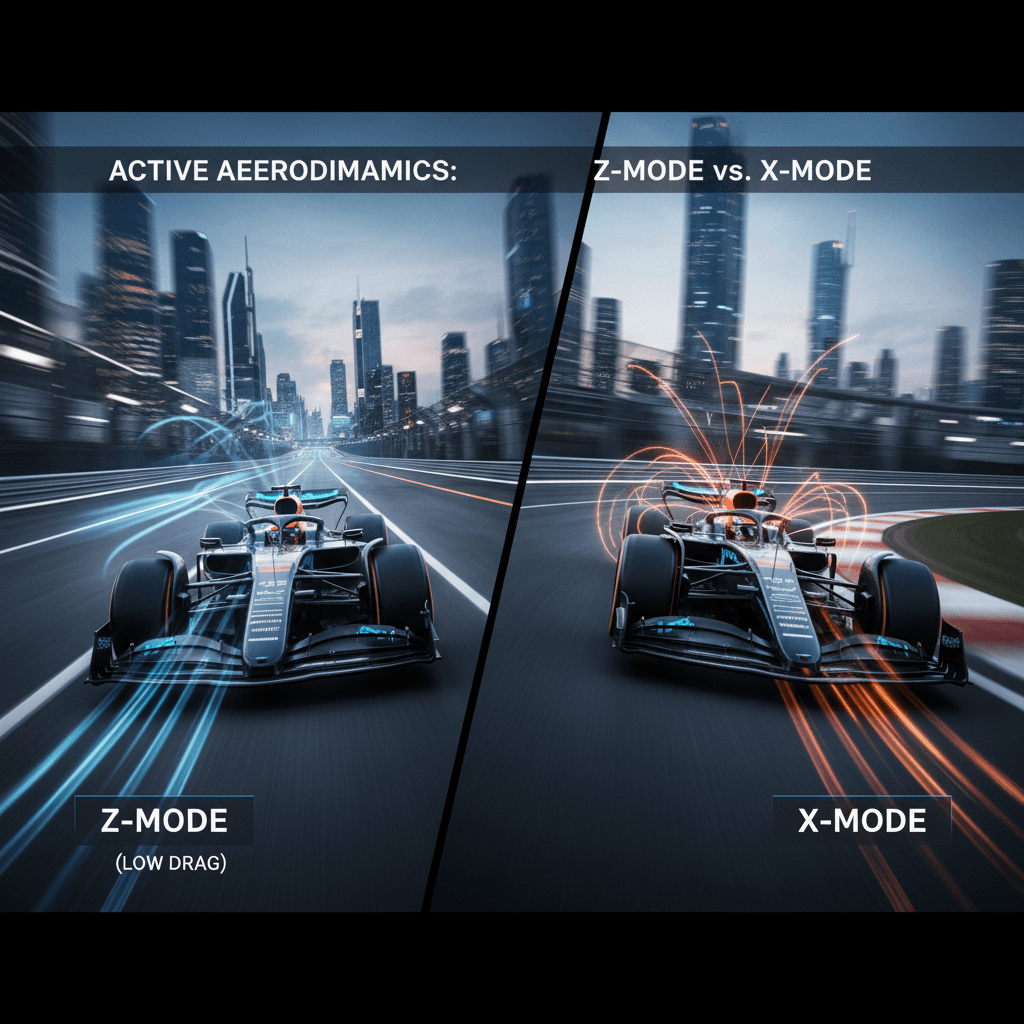
One of the headline changes for 2026 is the introduction of active aerodynamics in the front wing, allowing cars to adjust their aerodynamic surfaces dynamically while on track. Currently, Formula One uses the DRS (Drag Reduction System), which opens a flap on the rear wing to reduce drag and help to overtaking by increasing the speed. In 2026, this system will evolve into a more complex active aero package, featuring movable front and rear wings that automatically adjust to improve speed on straights and increase downforce in corners Drivers will use two modes:
- Z-Mode (Low Drag Mode): for higher straight-line speed, reducing aerodynamic resistance.
- X-Mode (High Downforce Mode): for improved cornering stability and grip.
This system aims to improve efficiency and energy recovery, as less drag means less fuel and battery consumption. However, engineers face major challenges ensuring aerodynamic stability, mechanical reliability, and preventing overuse that could make racing unsafe or unpredictable.
Power Unit Redesign – More Electric, Less Fuel
The 2026 power units represent a massive shift toward sustainable hybrid performance. The new regulations keep the current 1.6-litre V6 turbo engine but increase the role of electric power dramatically. The MGU-K (Motor Generator Unit – Kinetic) will produce up to 350 kW (469 horsepower), nearly triple the current output. At the same time, the MGU-H (which recovered energy from turbo heat) will be removed to simplify design and reduce cost. Cars will rely more on battery energy regeneration during braking and deploy electric power for longer durations per lap. The result: up to 50% of the total power will come from electrical energy and rest 50% power come from ICE (Internal Combustion Engine). Fuel is also evolving. The 2026 season will introduce fully sustainable fuel, created from non-fossil carbon sources and bio-based compounds. This innovation will reduce F1’s carbon footprint while demonstrating clean energy solutions for the wider automotive industry.
Lightweight Chassis & Safety Innovation
Another major change is the reduction in car weight. The 2026 F1 cars will be around 30 kilograms lighter than current models up to 2025. This will be achieved through smarter use of carbon fiber composites, 3D-printed titanium parts, and improved packaging efficiency for hybrid components. Smaller car dimensions including narrower bodywork and shorter wheelbases will make cars more agile and better suited for close racing. Despite the weight reduction, safety standards will remain strict. FIA has developed new crash structures and energy-absorbing materials that balance performance with driver protection.
Balancing Performance and Sustainability
The 2026 regulations also focus on maintaining competition fairness. To prevent runaway costs, engine manufacturers (such as Mercedes, Ferrari, Ford Powertrains, and Audi) must follow strict development cost caps and standardized component rules. From an environmental perspective, the combined impact of electric power and sustainable fuel could cut F1’s carbon emissions by over 60% compared to the 2020 season. This supports the sport’s goal to reach net-zero carbon by 2030. In simple terms, the 2026 rules don’t just make F1 greener, they also push teams to find new ways to be faster using less energy. The focus has shifted from raw horsepower to efficiency and energy recovery in a direction that mirrors the evolution of road-car technology.
Conclusion
The 2026 Formula One regulation changes symbolize a new era where performance meets sustainability. With active aerodynamics, advanced hybrid power units, and lighter chassis designs, the sport is preparing for faster, cleaner, and more strategic racing. These updates show that Formula One isn’t just about speed it’s a global laboratory for innovation. As engineers adapt to these new challenges, fans can expect cars that are not only thrilling to watch but also showcase how motor sports can drive technological progress into the future.
Test Your Knowledge!
Click the button below to generate an AI-powered quiz based on this article.
Did you enjoy this article?
Show your appreciation by giving it a like!
Conversation (0)
Cite This Article
Generating...